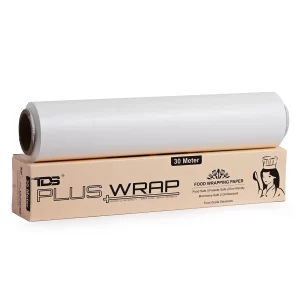
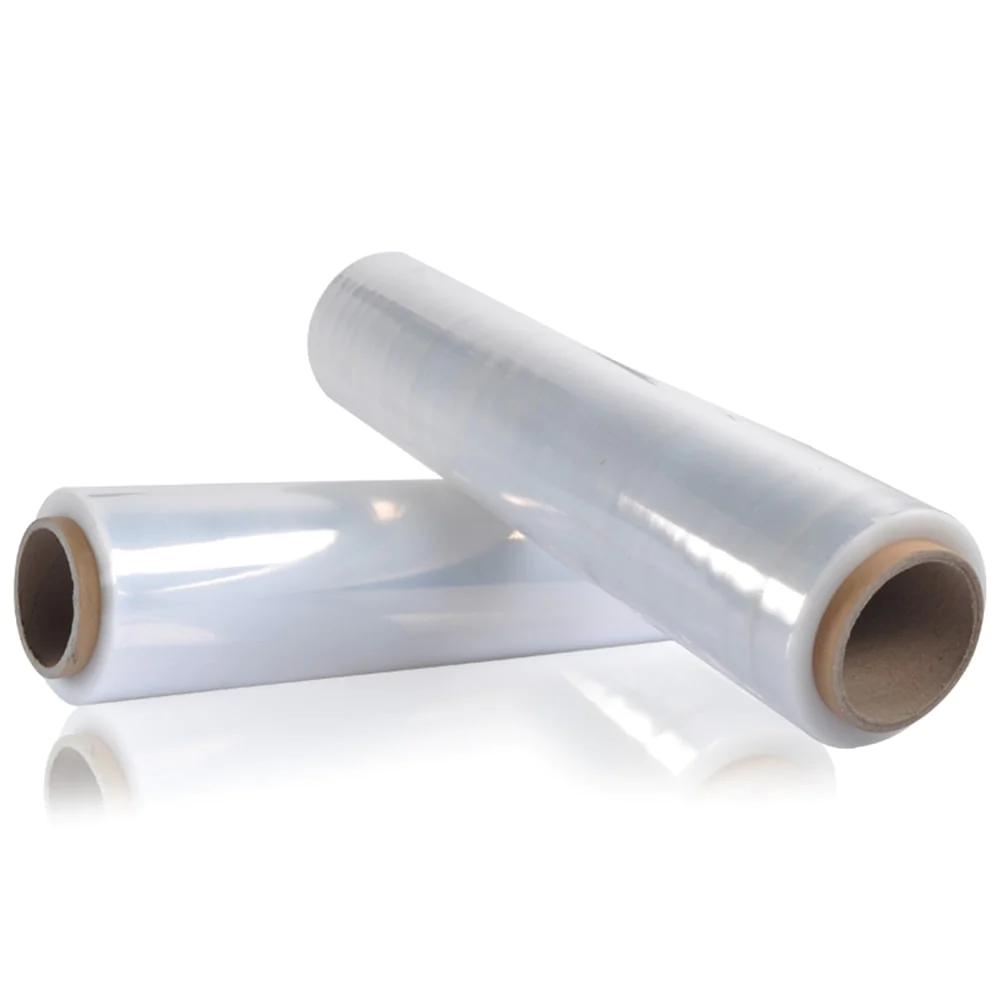
Cling Film
| Material | Paper in 190GSM-320GSM |
| Style | Single wall with logo |
| Application | Beverage |
| Type | Transparent foil wrap |
A roll of cling film that tears the moment it’s stretched isn’t just annoying — in a busy kitchen or packing line, it slows everyone down and wastes product. That’s usually a sign the business is working with the wrong cling film manufacturers.
Many buyers assume cling film is a commodity where price is the only variable. In reality, film thickness, cling strength, and material composition vary widely between suppliers, and the cheapest roll often costs more in wastage and complaints than a slightly pricier, better-performing one.
This guide gives business owners a clear framework for choosing reliable cling wrap manufacturers — covering film types, what separates a dependable cling film supplier from an inconsistent one, and how to evaluate bulk pricing before committing to an order.
What Are Cling Film Manufacturers?
Cling film manufacturers are companies that produce thin, transparent plastic wrap typically made from PVC, LDPE, or biodegradable polymers used to seal and preserve food or products. They supply cling film in rolls of varying widths, thicknesses, and cling strengths for retail, food service, and industrial packaging use.
Why the Right Cling Film Manufacturer Matters for Your Business
Cling film performance directly affects food shelf life, packaging efficiency, and customer perception at retail counters and in food delivery.
Poor quality film that doesn’t cling properly leads to exposed food, faster spoilage, and increased returns a cost that compounds quickly at scale.
Key Reasons Businesses Are Reassessing Their Supplier
- Reducing wastage from tearing or poor unwind performance
- Meeting food-safety compliance for direct food contact
- Sourcing biodegradable options for sustainability commitments
- Securing consistent bulk pricing as order volumes scale
Types of Cling Film Available From Manufacturers
Cling film isn’t one-size-fits-all. Understanding the material differences helps you choose the right roll for your use case.
1. PVC Cling Film
The most common commercial-grade option, known for strong cling and clarity. Widely used in retail meat and produce packaging.
2. LDPE Cling Film
A lighter-weight alternative with less cling strength than PVC but often preferred for general food storage and lower-cost applications.
3. Biodegradable Cling Film
Made from plant-based or compostable polymers, designed to break down faster than conventional plastic film — increasingly requested by sustainability-focused brands.
4. Industrial Stretch Wrap
A thicker variant used for pallet wrapping and bulk shipping rather than direct food contact.
Cling Film Types Compared: PVC vs. LDPE vs. Biodegradable
| Feature | PVC Cling Film | LDPE Cling Film | Biodegradable Cling Film |
|---|---|---|---|
| Cling strength | High | Medium | Medium |
| Clarity | High | Medium | Medium–High |
| Cost per roll (bulk) | Medium | Low | Medium–High |
| Biodegradability | No | No | Yes |
| Best for | Retail food packaging | General storage use | Sustainability-focused brands |
How to Choose the Right Cling Film Supplier
Sourcing from the wrong cling wrap supplier results in inconsistent thickness, poor unwind, or non-compliant materials. Here’s what experienced buyers verify before ordering.
1. Food-Grade Certification
Confirm the film meets FSSAI food-contact safety standards, particularly for PVC-based films used in direct food packaging.
2. Film Thickness (Micron Rating)
Request the exact micron specification — thinner films cost less but tear more easily, while thicker films offer better durability for demanding use.
3. Cling Strength Testing
Ask for sample rolls and test cling performance against your specific packaging surfaces before committing to bulk quantities.
4. Minimum Order Quantities (MOQ)
MOQs for cling film for bulk order purchases vary by manufacturer — smaller retailers may order by carton, while large operations negotiate pallet-level pricing.
5. Consistency Across Batches
Reliable cling film suppliers maintain consistent thickness and cling performance across repeat orders — inconsistency here is a common complaint with lower-tier manufacturers.
Real-World Example: A Retail Meat Counter’s Supplier Switch
A retail meat and produce counter operating across multiple outlets was experiencing frequent film tearing during high-volume wrapping hours, slowing down staff and increasing product waste. After switching to a PVC cling film supplier offering a slightly thicker micron rating and consistent batch quality, the counter reported a noticeable reduction in wrapping-related delays and product wastage within the first few weeks of the switch. The change also reduced customer complaints about loosely wrapped packages.
Pricing: What to Expect When Buying Cling Film in Bulk
Pricing from cling wrap manufacturers depends on material type, micron thickness, and roll width. As a general guide:
- LDPE cling film: Lower per-unit cost, suited for general-purpose wrapping
- PVC cling film: Moderate premium, ideal for retail food display and stronger cling needs
- Biodegradable cling film: Higher cost, best for sustainability-driven brand positioning
Always request a sample roll before confirming a bulk purchase order — established cling film manufacturers will provide this without hesitation.
Frequently Asked Questions
1. What is the difference between cling film and cling wrap?
Cling film and cling wrap generally refer to the same product — a thin, stretchable plastic film used to seal or cover food and other items — with the terminology varying by region and supplier.
2. Is PVC cling film safe for direct food contact?
Food-grade PVC cling film that meets FSSAI standards is considered safe for direct food contact, though buyers should always confirm certification with the specific manufacturer.
3. What micron thickness should I choose for retail food packaging?
Retail food packaging commonly uses films in the 9–15 micron range, with thicker options chosen for products requiring extra durability during handling.
4. Are biodegradable cling films as strong as regular PVC film?
Biodegradable cling films typically offer comparable clarity but slightly different cling and stretch characteristics compared to standard PVC, so sample testing is recommended before switching.
5. What is the minimum order quantity for bulk cling film purchases?
MOQs vary by manufacturer, with many Indian suppliers offering starter bulk tiers by carton before scaling to pallet-level pricing for larger operations.
6. How can I tell if a cling film supplier is reliable before ordering in bulk?
Request sample rolls, verify food-grade certification documentation, and test consistency across at least two separate sample batches before placing a large order.
Conclusion
Choosing the right cling film manufacturers affects everything from packaging efficiency to food safety compliance and customer satisfaction. The difference between a smooth-running packing line and constant tearing complaints often comes down to material choice and supplier consistency.
Whether you need standard PVC film or biodegradable options for a sustainability-focused brand, start by requesting samples and thickness specifications before placing a bulk order. Contact a certified cling film supplier today to get pricing and sample rolls for your business.