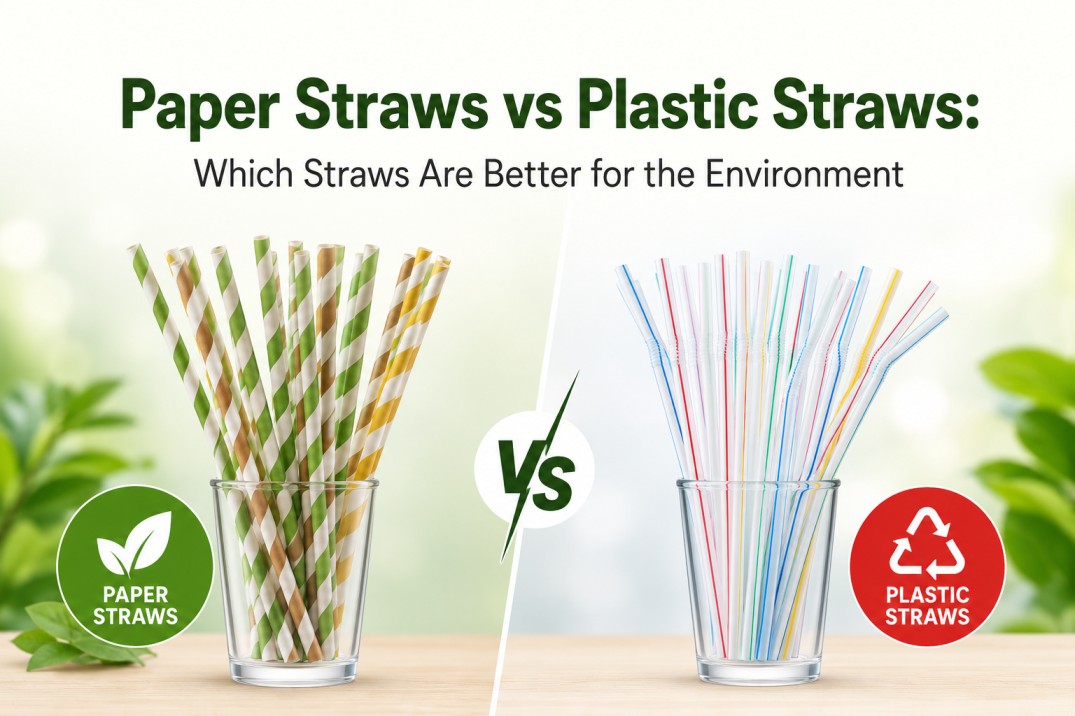
When considering the environmental benefits, paper straws are far better for the environment
than plastic straws because they break down relatively quickly in about 2-6 weeks and they
don’t leave behind micro plastics. The production process of paper straws needs more energy
and water, but the plastic straws stay in the landfills and seas for 200+ years posing fatal
threats to marine wildlife. To make an effective transition to sustainable products, you can
check out the fully compostable paper straw catalog by Anirudh Agro Industries.
Look around any nearby coffee shop, juice bar or even a fast-food drive-thru and notice how
the bendable plastic straws that were once found in almost every drink have mostly been
replaced with paper straws.
This was no coincidence. Images of marine life harmed by plastic waste sparked a global
conversation about our everyday habits. From municipalities, to states, even corporations
with chains all across the world have banned the use of single use plastics, forcing us to
find alternative products.
But as you witness the softening of a paper straw in your iced coffee, it’s only natural to
wonder: Is this change really making a difference for the Earth? As it turns out, when you
examine paper straws vs plastic straws, the choice of which is better is not that
straightforward. In order to make an informed decision on the best choice for the
environment, one must consider the entire lifecycle like from sourcing of raw materials from
the ground to disposal of a straw in the garbage.
The True Effect of Plastic Straws on Environment Dynamics
In order to grasp the reason behind the speedy transition to plastic straw alternatives, it
is essential to take a closer look at the tremendous impact that conventional oil-based
plastics leave on the environment. Conventional plastic straws are made of polypropylene,
which is basically plastic created out of crude oil. The problem with these plastic straws
is their high production rate and the reason behind this lies in their cost-effectiveness
and durability.
Why Plastic Straws Never Truly Disappear
A single plastic straw takes anywhere from 200 to 500 years to break down. It even fails to
vanish away or revert to nature. The sun rays, water and weathering degrade the plastic and
break it down into smaller and smaller parts referred to as microplastics. Microplastics
absorb all the poisons from the environment and become incorporated into soil, municipal
water supplies and the food chain.
The Physical Danger to Wildlife
Straws made from plastic materials are lightweight and tiny enough to slip past the
filtration system of local recycling facilities to end up in landfills and water bodies. At
sea, the physical danger posed by plastic straws is great because of their structure and
rigidity. Sea animals consume the plastic materials thinking they are food, but they end up
dying due to suffocation.
Are Paper Straws Biodegradable? Understanding the Material
Are paper straws truly biodegradable in a way that would help nature? This is the common
question we all have generally in our mind so yes, because real paper straws are made from
wood pulp which is a natural and renewable material. This means that a properly cleaned
paper straw that makes its way to the natural world would break down in two to six weeks.
If it finds its way to the sea, the water dissolves the fibers instantly making it safe for
any animals living there.
Environmental Factor Comparison
| Environmental Factor | Plastic Straws | Paper Straws |
|---|---|---|
| Made From | Petroleum (crude oil) | Wood pulp (renewable trees) |
| Time to Decompose | 200–500 years | 2–6 weeks* |
| Biodegradable | No | Yes |
| Microplastic Pollution | Produces harmful microplastics | Does not produce microplastics |
| Risk to Marine Life | High; can injure or kill wildlife | Low; softens and decomposes naturally |
| Manufacturing Energy | Lower | Higher |
| Water Required During Production | Lower | Higher |
| Long-Term Environmental Impact | Persists for centuries | Returns naturally to the environment |
| Best Use Case | Not recommended for single-use | Better choice for eco-friendly single-use applications |
The Hidden Side: Manufacturing and Carbon Footprints
If we only look at what happens to trash after we use it, paper wins by a wide margin.
However, an honest environmental assessment requires looking at the beginning of the chain:
the factory floor.
The production of paper products involves intensive resource usage. The harvesting of
trees, transportation of logs, processing and refinement of the wood pulp into food-grade
paper necessitates huge amounts of both water and electricity. Research done on the
lifecycle of different products reveal that the production of one paper straw can consume
up to four times more energy than the production of a conventional plastic straw.
Additionally, due to the fact that paper rolls weigh more than the plastic resin chips,
transportation of the products from the factories to the restaurants will use more fuel.
Choosing the Best Way Forward
When we weigh the carbon emissions of manufacturing against the centuries of pollution
caused by waste, the path forward becomes clear. The carbon footprint of the manufacturing
process can be reduced through time through the use of renewable energy networks and
efficient logistics. However, there is no quick fix for the removal of millions of
microplastics that are dispersed throughout the world’s oceans.
This means that the highest quality papers are the best choice for one-time uses. The
materials are environmentally friendly and when buried back into the earth will not leave
any synthetic chemicals behind.
Companies who want to make a conscientious change without sacrificing quality have to
source their alternative products. Visit the Anirudh Agro Industries paper straw collection
for strong and biodegradable options.
Frequently Asked Questions
How much time does a paper straw require to decompose?
An eco-friendly paper straw will be able to decompose on its own in the backyard compost
bin or regular soil in around 30-60 days. As opposed to this, a plastic straw will continue
to exist in the ecosystem for hundreds of years.
Will paper straws become soggy when using them?
Eco-friendly paper straws are usually made using several layers of sturdy and food grade
paper along with non-toxic glue, which enables them to stay strong enough for some hours
even when they are placed in cold drinks.
Can you recycle used paper straws?
Although paper can easily be recycled, however, paper straws which are soaked in any kind
of beverages such as juices, sodas, and milk absorb food. Such food contaminated paper
straws cannot be recycled and hence should be thrown into the waste bin.