TL;DR: Ripple paper cups, with a three-layer corrugated design that traps air, kept hot beverages hot without a sleeve and performed better than standard cups in terms of heat retention and hand comfort. If you are running a cafe and looking at insulated disposable cups, eco-friendly hot drink cups or double wall paper cups versus ripple cups for coffee cups for cafes, the ripple wins on customer comfort and brand feel — even at a slightly higher unit cost.
That little moment is the whole reason ripple paper cups exist as a category. Somebody got tired of solving heat comfort with an extra piece of cardboard taped around the outside and figured the cup itself should just do the job. Small idea. Big difference once you actually hold one filled to the brim.
What Are Ripple Paper Cups Exactly?
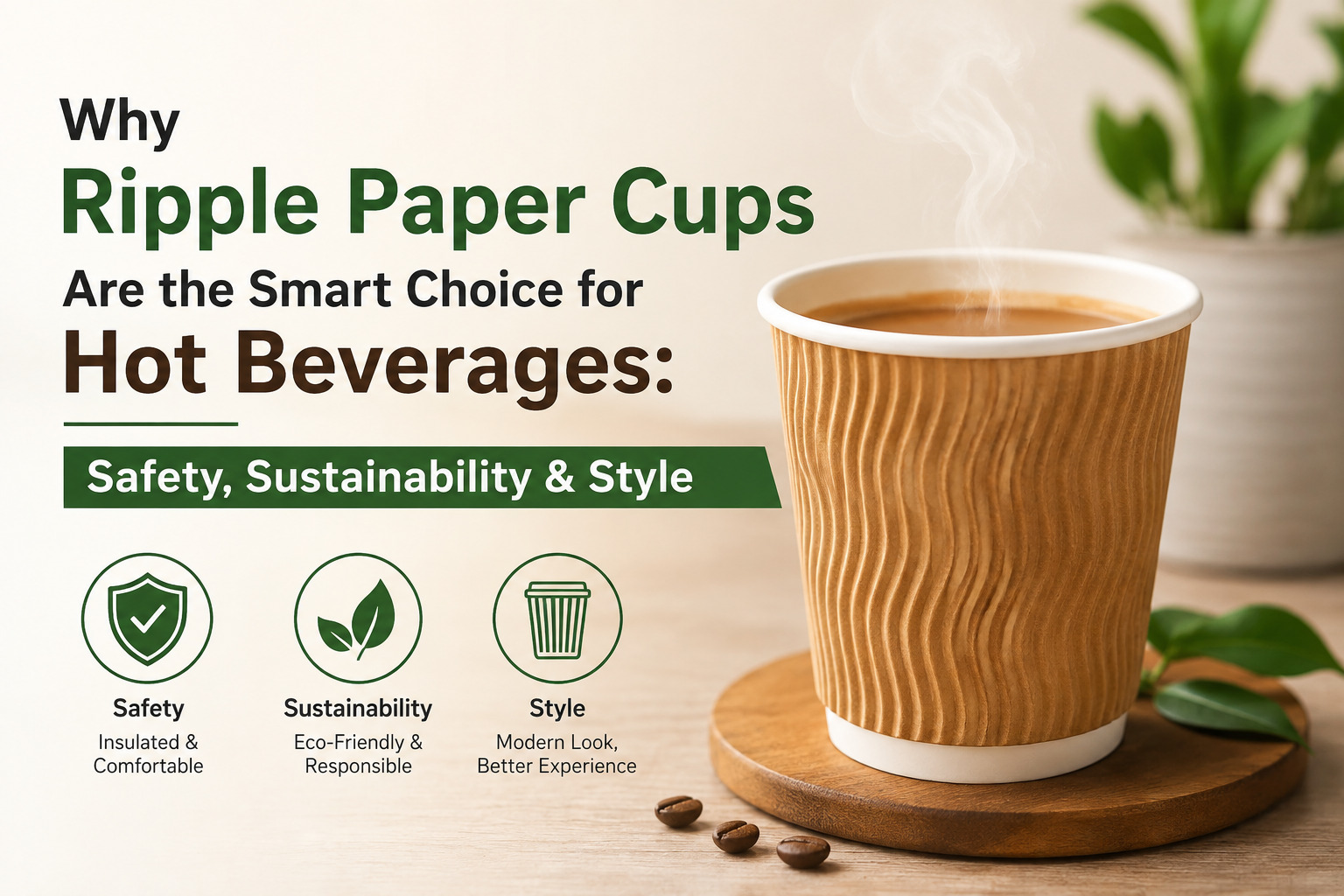
Strip it down and a ripple paper cup is three layers stacked instead of one flat wall. The inner layer holds your coffee. The middle layer is corrugated, so it folds into little ridges that trap pockets of air. The outer layer is what your hand actually touches — and that texture is not there for looks, though it does look nice.
Air sitting still between those ridges barely conducts heat at all. That is just physics, nothing clever about it, but somehow most cafe owners never stop to think about why a thicker cup feels warmer or cooler in the hand. Thickness alone means very little. It is the trapped air doing the actual work — and two cups that feel roughly the same in your palm on the shelf can behave completely differently once you fill them with something close to boiling.
- Three-layer corrugated build with visible ridges running vertically
- Inner lining coated in food-grade PE or PLA so nothing leaks through
- Skips the need for a separate sleeve on most hot orders
- Textured outside that stays grippy even when hands are wet or cold
Why This Design Actually Holds Up
That corrugated middle is not just for show — and I say that because I used to assume it was, before I actually looked at the testing. Ripple cups run somewhere between eight and twelve percent better on heat retention compared to a plain double wall cup, and forty to fifty percent better than a single wall cup wearing a sleeve. This heat retention testing guide on ripple cup performance breaks those numbers down by size and beverage temperature if you want to see exactly where the gap comes from.
How Ripple Paper Cups Stack Up Against Insulated Disposable Cups
Here is a thing that annoys me a little. Not every cup labeled insulated disposable cups is built the same way — and treating them as one category burns buyers who just want their staff to stop hearing complaints during the morning rush. I have literally watched a supplier sell a single wall cup with a slightly thicker coating and call it insulated. The label meant nothing once a real customer picked it up full.
The Surface Temperature Numbers Nobody Talks About Enough
Fill a ripple cup with something around 85 degrees Celsius and the outside typically sits around 33 to 38 degrees. A standard double wall cup with the same drink runs 41 to 45 degrees on the outside. Seven or eight degrees does not sound like much on paper. Stand behind a register on a packed Saturday and watch how often that gap turns into someone switching the cup between hands — and it starts to feel like a much bigger number.
Where Insulated Disposable Cups Quietly Fall Short
A lot of cups wearing the insulated disposable cups label are honestly just single wall cups with a heavier coating slapped on. That coating stops leaks, sure, but it does almost nothing for heat. One thermal test comparing wall types found real double-layer construction drops outer wall temperature by twenty-four to twenty-seven degrees Celsius compared to single layer — roughly sixty percent better insulation. Worth a read if you are about to sign a supplier contract: here is the independent thermal testing breakdown.
Why Eco-Friendly Hot Drink Cups Actually Matter Right Now
Nobody asking about eco-friendly hot drink cups these days is just following a trend — not really. Regulations keep tightening and customers notice packaging way more than they used to, especially at the counter, right where the actual decision to buy or walk away happens. A cup sitting there says something about a brand before the first sip even happens, whether the owner meant it to or not.
Zoom out for a second. Something like five hundred billion paper cups get used globally every single year across cafes, fast food chains, hotels, airlines, all of it — and that scale is exactly why even a tiny material choice compounds fast once you multiply it out. This complete guide on paper cup materials and global compliance walks through the current regulatory landscape if that number surprised you the way it surprised me the first time I saw it.
What Actually Makes a Cup Eco-Friendly — Not Just Labeled That Way
A box that says eco-friendly does not always match what happens once that cup leaves your store. Push your supplier on the specifics. Vague language on packaging rarely survives one direct question.
- PLA coating that composts within ninety to one hundred eighty days under industrial conditions
- Water-based coatings that go through standard paper recycling without extra steps
- Fewer sleeves and second cups needed, which quietly cuts total material use
- FSC-certified paperboard coming from forests that are actually managed responsibly
Ripple Paper Cups Versus Double Wall Paper Cups: The Real Difference
This one comes up over and over — and honestly the right answer depends entirely on what your cafe cares about most at the counter. I sat through this exact argument with three different cafe owners this year, three separate conversations, and the answer changed every time depending on their volume, their price point, and — weirdly — their brand personality.
When Double Wall Paper Cups Are Simply the Smarter Call
Double wall paper cups keep drinks hot about thirty percent longer than single wall cups — and right now they make up roughly sixty percent of hot coffee cup sales in the eight-ounce size range. That figure comes from this pros and cons breakdown of single wall versus double wall cups, worth a look if budget is what is actually driving your decision here. They also cost less per unit and print a bit cleaner for branding purposes.
When the Ripple Premium Is Actually Worth Paying
Ripple cups are usually thirty to forty percent more than a regular double wall cup — but that extra cost gets you a better grip, more solid construction, and a feel that people actually remember touching. Cafes serving two hundred or more hot drinks a day tend to find that experience pays for itself in terms of repeat visits and customers who will accept slightly higher prices without blinking.
I’ve never had a customer say that a cup was too pretty. Not once. That is the kind of complaint most owners would take happily. The real question is never whether the upgrade feels good — it is whether your specific numbers make the math work over a full quarter.
Choosing the Right Coffee Cups for Cafes
Picking coffee cups for cafes goes way beyond insulation, even though insulation gets all the attention. Print quality, how high the cups stack, storage room, whether the lids actually fit — all of that shapes your day-to-day far more than most owners expect until they switch suppliers and feel it firsthand. A cup that insulates beautifully but eats up double the shelf space in a cramped back room creates a new problem nobody budgeted time for.
Getting these wrong costs money in ways that never show up on the invoice itself. Staff lose seconds fumbling mismatched lids during a rush. Storage runs out sooner than planned. Reorders happen more often because nobody actually measured how many cups fit in a standard box before committing to the order.
A Practical Checklist Before You Order in Bulk
- Confirm the exterior stays comfortable to hold at your normal serving temperature
- Double check lids fit consistently across every size you carry
- Ask for a small sample run before committing to a big minimum order
- Look into your local recycling and composting setup before locking in a coating type
Why Anirudh Agro Industries Is the Right Supplier for This
Picking a cup supplier is never just a packaging decision. It shapes how every single customer experiences your brand the moment they order something hot. A cup that burns fingers or feels cheap in the hand undoes good coffee faster than almost anything else that happens at the counter — and most customers will never actually tell you why they stopped coming back. They just quietly disappear.
Anirudh Agro Industries builds ripple paper cups around real insulation performance, not a rippled look bolted on because it photographs well. Every batch gets checked for exterior surface temperature and structural strength before it ever reaches a real counter, because a cup that reads great on a spec sheet still has to survive an actual chaotic Monday morning.
If your cafe is ready to move past sleeves, double cupping, and the same old complaints about heat, reach out to Anirudh Agro Industries and grab a sample batch before your next bulk order goes out. Hold one yourself before committing a full quarter of inventory to it — because that is exactly how your customers are going to judge it too.